
Artificial intelligence has become a driving force behind innovation across industries. From chatbots and virtual assistants to autonomous systems and advanced analytics, AI is transforming how businesses operate and how people interact with technology. However, as AI models continue to grow in size and complexity, the demand for faster and more efficient computing infrastructure has increased dramatically. This growing need has led to the emergence of specialized AI hardware companies, including Positron AI.
Positron AI is focused on developing advanced hardware solutions designed specifically for AI inference workloads. By optimizing hardware for large language models (LLMs) and other AI applications, the company aims to deliver faster performance, lower costs, and greater energy efficiency than traditional computing solutions. As organizations increasingly deploy AI-powered applications, Positron AI represents an important step toward making artificial intelligence more accessible and scalable.
What Is Positron AI?
Positron AI is a technology company that develops hardware systems specifically designed to accelerate AI inference. Inference is the stage where a trained AI model generates predictions, answers questions, processes requests, or produces outputs based on new data.
While many companies focus on AI model training, Positron AI concentrates on optimizing inference performance. This focus is important because inference often represents the majority of computing demand once AI models are deployed in real-world environments.
The company seeks to provide organizations with hardware that can run large AI models efficiently while reducing infrastructure costs and energy consumption.
Understanding AI Inference
To understand the value of Positron AI, it is helpful to distinguish between AI training and AI inference.
AI Training
Training involves teaching an AI model using large datasets. During this process, the model learns patterns, relationships, and behaviors through extensive computation.
Training typically requires powerful hardware and significant computational resources.
AI Inference
Inference occurs after training is complete. It is the process of using a trained model to generate outputs.
Examples include:
- Chatbots answering questions
- Image recognition systems identifying objects
- Recommendation engines suggesting products
- Voice assistants processing commands
- Language models generating content
As AI applications scale, inference workloads become increasingly expensive. Positron AI focuses on making this process faster and more efficient.
Why AI Infrastructure Matters
The rapid adoption of generative AI has created unprecedented demand for computing power. Businesses deploying AI systems face several challenges:
Rising Costs
Running large language models requires significant computational resources, which can result in substantial infrastructure expenses.
Energy Consumption
AI workloads consume large amounts of electricity, creating concerns about operational costs and environmental impact.
Performance Bottlenecks
As user demand increases, organizations need systems capable of processing requests quickly without sacrificing performance.
Scalability Challenges
Companies deploying AI applications must ensure that infrastructure can handle growing workloads efficiently.
Positron AI aims to address these issues through specialized hardware designed specifically for AI inference.
Key Features of Positron AI
Optimized AI Inference Hardware
The company’s hardware architecture is built specifically for AI inference rather than general-purpose computing. This specialization helps improve performance for AI workloads.
Energy Efficiency
One of the major goals of Positron AI is reducing power consumption. Efficient hardware can lower operating costs while supporting sustainability initiatives.
High Throughput
The platform is designed to process large volumes of AI requests quickly, making it suitable for organizations serving numerous users simultaneously.
Large Language Model Support
As LLMs become central to modern AI applications, Positron AI focuses on supporting these models effectively and efficiently.
Cost-Effective Deployment
Organizations can potentially reduce infrastructure costs by using hardware optimized specifically for inference tasks.
How Positron AI Works
Traditional AI deployments often rely on graphics processing units (GPUs) originally designed for graphics rendering and later adapted for AI workloads.
While GPUs are powerful, they may not always provide the most efficient solution for inference-heavy environments.
Positron AI develops specialized architectures that focus on the computational patterns commonly found in AI inference tasks. By eliminating unnecessary processing overhead and optimizing data movement, the hardware can achieve improved efficiency and performance.
This targeted approach enables organizations to serve AI applications with lower latency and reduced operating costs.
Benefits of Positron AI
Faster AI Responses
Users expect AI systems to provide answers almost instantly. Optimized inference hardware helps reduce response times and improve user experiences.
Lower Infrastructure Costs
Efficient hardware can decrease the number of resources needed to support AI applications, helping organizations control expenses.
Improved Energy Efficiency
Reducing energy consumption not only lowers costs but also supports environmental sustainability goals.
Better Scalability
Organizations can expand AI services more effectively when infrastructure is optimized for growing workloads.
Enhanced Performance for LLMs
Large language models require substantial computational power. Positron AI’s focus on inference optimization helps improve performance for these demanding applications.
Use Cases for Positron AI
Generative AI Platforms
Businesses offering AI-powered writing assistants, chatbots, and content generation tools can benefit from faster inference performance.
Customer Support Automation
AI-driven support systems rely heavily on inference to respond to customer inquiries in real time.
Enterprise AI Applications
Organizations deploying AI internally for analytics, workflow automation, and decision support can improve operational efficiency through optimized infrastructure.
Healthcare AI
Medical AI applications often require fast processing of patient data, diagnostics, and clinical recommendations.
Financial Services
Banks and financial institutions use AI for fraud detection, risk assessment, and customer service, all of which depend on efficient inference systems.
Positron AI vs Traditional GPU Solutions
Traditional GPUs have long dominated AI computing. However, AI-specific hardware providers are emerging because they can optimize performance for particular workloads.
Traditional GPUs
Advantages include:
- Broad compatibility
- Established ecosystem
- Strong training performance
Challenges include:
- High energy consumption
- Expensive deployment costs
- Potential inefficiencies for inference-specific tasks
Positron AI
Advantages include:
- Inference-focused architecture
- Greater efficiency
- Lower operational costs
- Improved scalability
As AI adoption grows, organizations are increasingly exploring alternatives to traditional hardware solutions.
Challenges Facing AI Hardware Companies
The AI hardware market is highly competitive. Companies like Positron AI must overcome several challenges:
Rapid Technological Change
AI models evolve quickly, requiring hardware platforms to adapt continuously.
Industry Competition
Major technology companies invest heavily in AI infrastructure and accelerator development.
Software Compatibility
Hardware success depends on seamless integration with popular AI frameworks and development tools.
Customer Adoption
Organizations may be cautious about transitioning from established infrastructure providers to newer alternatives.
Despite these challenges, demand for AI-optimized computing solutions continues to expand.
The Future of AI Inference
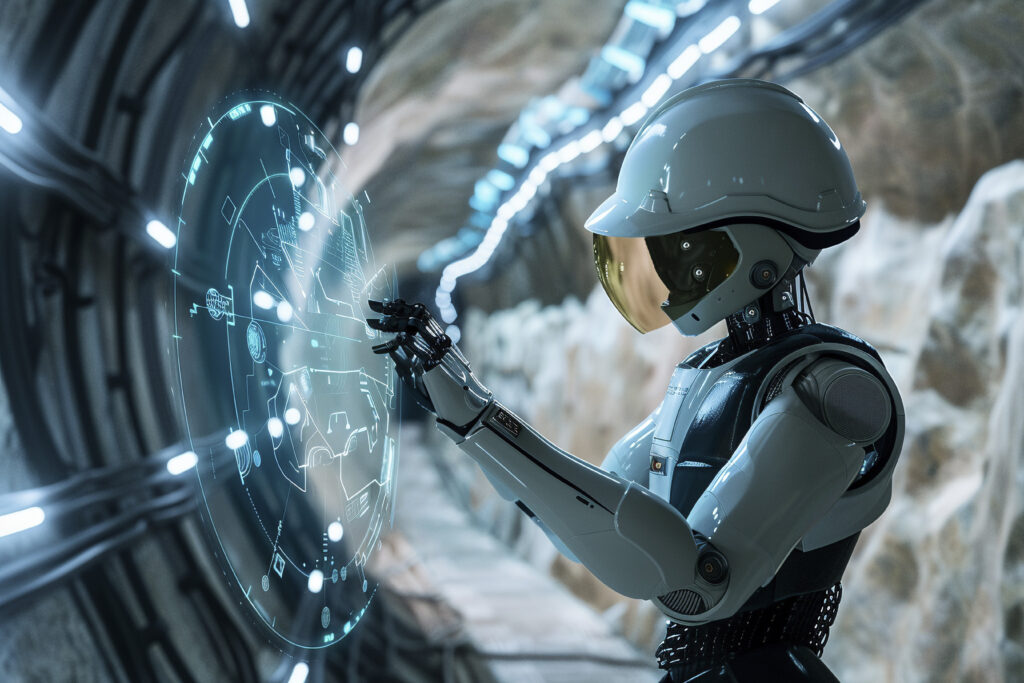
AI adoption is expected to increase significantly over the coming years. As more businesses integrate AI into products and services, inference workloads will continue growing.
Future trends may include:
- More specialized AI accelerators
- Improved energy efficiency
- Reduced deployment costs
- Faster response times
- Greater accessibility for AI applications
Companies focused on inference optimization are likely to play a critical role in supporting this growth.
Conclusion
Positron AI is helping address one of the most important challenges in modern artificial intelligence: efficient inference. By developing hardware specifically optimized for AI workloads, the company aims to deliver faster performance, lower costs, and improved energy efficiency. As organizations increasingly rely on large language models and other AI-driven technologies, specialized infrastructure solutions will become essential for maintaining scalability and competitiveness. Positron AI represents a promising example of how hardware innovation can support the next generation of artificial intelligence applications.
FAQs
1. What is Positron AI?
Positron AI is a technology company that develops hardware solutions optimized for AI inference workloads.
2. What is AI inference?
AI inference is the process of using a trained AI model to generate predictions, responses, or outputs from new data.
3. How does Positron AI differ from traditional GPUs?
Positron AI focuses specifically on inference optimization, aiming to provide greater efficiency and lower operational costs.