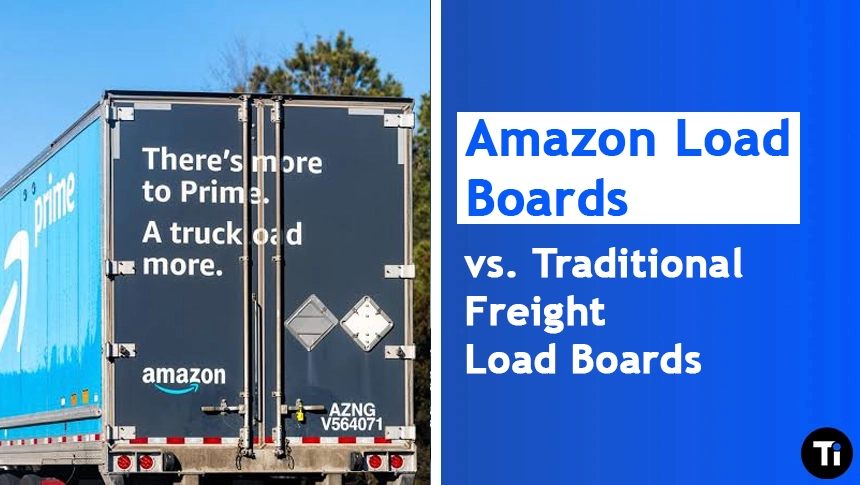
Finding profitable freight is essential for every trucking business. A truck that is not moving generates no income, while poor load choices can reduce profits quickly. Factors like low rates, long deadhead miles, and delayed payments can impact overall performance. Choosing the right load board helps carriers stay efficient and profitable.
Owner-operators and small fleets often rely on Amazon load boards through Amazon Relay or traditional freight load boards like DAT and Truckstop. Both options help carriers find loads, but they operate differently. Understanding these differences can help you choose the best strategy for your business.
What Are Amazon Load Boards?

Amazon load boards are part of the Amazon Relay platform. This system allows approved carriers to access freight within Amazon’s logistics network. Carriers can search, review, and book loads directly through the Relay website or mobile app.
Unlike traditional boards, Amazon Relay focuses only on Amazon freight. This creates a more structured environment with consistent processes. However, it also limits carriers to one network instead of multiple freight sources.
How Amazon Relay Works
To use Amazon Relay, carriers must apply and get approved. Once accepted, they can browse available loads, filter by location or equipment, and book trips that match their schedule. The platform also offers tools like “Post A Truck” to match loads with available capacity.
Amazon Relay supports spot loads, contracts, and short-term opportunities. The mobile app helps manage trips with navigation, tracking, and communication tools. This makes it easier for carriers to handle operations in one place.
Amazon Carrier Requirements
Amazon Relay has strict requirements for carriers. Businesses must have active DOT and MC numbers, proper insurance, and meet safety standards. Typically, carriers need at least 180 days of active authority before approval.
These requirements can limit access for new carriers. However, they ensure a reliable network with consistent service quality. Traditional load boards may offer more flexibility for newer companies.
What Are Traditional Load Boards?
Traditional load boards are online marketplaces where brokers and shippers post freight. Carriers search these listings and contact the broker to book loads. Popular platforms include DAT and Truckstop.
These boards offer a wide range of freight from different industries. Carriers can filter loads by location, equipment, and rate. This flexibility allows businesses to explore more opportunities and build relationships with multiple customers.
The Main Difference
The key difference between Amazon Relay and traditional load boards is the source of freight. Amazon Relay provides loads only from Amazon’s network, while traditional boards offer freight from many brokers and shippers.
Amazon Relay offers consistency and structure. Traditional boards provide variety and flexibility. This difference affects booking, pricing, and overall operations for carriers.
Load Variety
Traditional load boards offer a wider range of freight types. Carriers can find dry van, flatbed, refrigerated, and specialized loads across different regions. This variety helps carriers adapt to changing market conditions.
Amazon Relay also supports multiple equipment types, but availability depends on location and demand. Carriers near Amazon facilities may find steady work, while others may see limited options.
Booking Speed
Amazon Relay allows carriers to book loads quickly without calling brokers. This saves time and simplifies dispatching. The platform provides clear details, making it easier to plan trips.
Traditional load boards often require communication with brokers. Carriers may need to negotiate rates and complete paperwork before booking. While this takes more time, it can lead to better deals.
Rate Negotiation
Amazon Relay offers structured pricing with some flexibility through auctions and contracts. Rates depend on demand and availability within the network.
Traditional load boards allow direct negotiation with brokers. Experienced carriers can secure higher rates by understanding market conditions. However, negotiation requires skill and market knowledge.
Freight Consistency
Amazon’s large network can provide consistent freight in certain regions. Carriers near major facilities may find repeat routes and steady work.
Traditional load boards can also offer consistency through strong broker relationships. Over time, carriers can build partnerships that lead to regular loads and better opportunities.
Route Flexibility
Traditional load boards offer more control over routes. Carriers can choose destinations that fit their schedule and preferences. This is helpful for planning home time and avoiding certain regions.
Amazon Relay limits choices to available network loads. While convenient, it may not always match a carrier’s preferred routes.
Equipment Options
Amazon Relay supports common equipment like dry vans, reefers, and box trucks. Availability depends on current demand and location.
Traditional load boards provide more options for specialized equipment. Carriers with unique trailers or services may find better opportunities on open marketplaces.
Costs and Fees
Amazon Relay is free for approved carriers. There are no subscription fees to access loads, making it cost-effective for many businesses.
Traditional load boards usually charge monthly fees. However, these platforms can provide valuable tools and access to higher-paying loads, which may offset the cost.
Payment Risk
Working with Amazon reduces payment risk because carriers deal with a single, established company. Payments are typically more predictable.
Traditional load boards involve multiple brokers, each with different payment terms. Carriers must check credit ratings and payment history to avoid issues.
Performance Standards
Amazon Relay requires carriers to meet strict performance standards. On-time delivery, communication, and safety are closely monitored. Poor performance can limit future opportunities.
Traditional load boards do not have a single standard. Performance expectations vary by broker, giving carriers more flexibility but less consistency.
Technology
Amazon Relay combines load booking and trip management in one platform. The app includes navigation, tracking, and communication tools for efficient operations.
Traditional load boards offer different levels of technology. Some provide advanced features like rate analysis and credit checks, while others focus on basic load searching.
Broker Relationships
Traditional load boards allow carriers to build relationships with brokers and shippers. Strong relationships can lead to repeat business and better rates.
Amazon Relay focuses on working within one network. While it offers consistency, it limits opportunities to expand customer connections.
Revenue per Mile
Carriers should evaluate loads based on total revenue per mile, not just the posted rate. This includes both loaded and empty miles.
For example, a load paying $1,800 over 750 total miles equals $2.40 per mile. Carriers must also consider fuel, maintenance, and other costs to determine profitability.
Deadhead and Backhauls
Reducing deadhead miles is key to maximizing profits. Amazon Relay may not always provide return loads, depending on location.
Traditional load boards can help find backhauls from different brokers. Using both platforms can reduce empty miles and improve efficiency.
Benefits of Amazon Relay
Amazon Relay offers several advantages for carriers. It provides quick booking, consistent processes, and integrated tools for managing trips.
The platform is especially useful for carriers operating near Amazon facilities. It reduces administrative work and simplifies load management.
Drawbacks of Amazon Relay
Amazon Relay has limitations, including strict requirements and limited freight sources. Carriers must follow specific procedures and maintain performance standards.
Relying only on Amazon can also create risk if demand changes. Diversifying load sources is important for long-term stability.
Benefits of Traditional Boards
Traditional load boards offer flexibility and variety. Carriers can explore different markets, negotiate rates, and build relationships with multiple customers.
These platforms help carriers adapt to changing conditions and avoid dependence on a single shipper.
Drawbacks of Traditional Boards
Traditional boards require more effort. Carriers must search, negotiate, and verify brokers before booking loads.
Subscription costs and potential fraud risks are also factors to consider. Careful research is necessary to avoid problems.
Which Is Better for Owner-Operators?
Amazon Relay is ideal for owner-operators who prefer a structured system and quick booking. It works well in areas with strong Amazon freight demand.
Traditional load boards suit those who want flexibility and control. Experienced operators can benefit from negotiating rates and choosing preferred routes.
Which Is Better for Small Fleets?
Small fleets need consistent freight and efficient dispatching. Amazon Relay can simplify operations with its integrated system.
Traditional load boards provide flexibility for managing multiple trucks in different locations. Using both can help fleets balance consistency and variety.
Using Both Boards
Many carriers benefit from using both Amazon Relay and traditional load boards. This approach combines consistency with flexibility.
Tracking performance metrics like revenue, miles, and costs helps determine which platform works best. A balanced strategy can improve overall profitability.
Common Mistakes
Carriers often focus only on high rates without considering total costs. Deadhead miles, delays, and destination markets also affect profitability.
Relying on one platform is another mistake. Diversifying load sources helps reduce risk and maintain steady income.
Final Verdict
Amazon load boards and traditional freight load boards each offer unique advantages. Amazon Relay provides structure and efficiency, while traditional boards offer flexibility and variety.
The best choice depends on your business goals, experience, and operating area. Many carriers find success by using both platforms together.
Ultimately, the right load board is the one that helps you maximize profit, reduce empty miles, and keep your trucks moving efficiently.
FAQs
What is the main benefit of using Amazon load boards?
Amazon load boards offer a simple and structured way to book freight quickly. Carriers can manage loads, tracking, and communication all in one platform without dealing with multiple brokers.
Are traditional load boards better than Amazon Relay?
Traditional load boards are not necessarily better, but they provide more flexibility. They allow carriers to choose from a wider range of loads and negotiate rates directly with brokers.
Can new carriers use Amazon Relay?
New carriers may face limitations because Amazon typically requires at least 180 days of active authority. Traditional load boards may be more accessible for beginners.
Do I need to pay to use load boards?
Amazon Relay is free for approved carriers. Traditional load boards usually charge monthly subscription fees, but they offer additional tools and broader freight options.
Should I use both Amazon Relay and traditional load boards?
Yes, many carriers benefit from using both. This approach helps reduce empty miles, increase load options, and improve overall profitability.